

The cost of veterinary care has become a topic of public discussion in several countries. On March 24, 2026, the U.K.’s competition regulator, the Competition and Markets Authority, published the final report of its investigation into veterinary services for household pets. It found a lack of price transparency, with fewer than 40% of practices listing prices on their websites. The reforms require practices to publish standard price lists. Though focused on pets, the findings raise wider questions about clarity and informed choice.
The concern extends well beyond the U.K. According to U.S. Bureau of Labor Statistics data, prices for veterinary services have risen by an average of about 5% a year since 1997, roughly double the rate of overall inflation. Consumer group Choice has reported that there are no standard fees for standard veterinary services in Australia. The same report noted that the Australian Veterinary Association does not provide recommended fee schedules. Yet most of the conversation has focused on household pets like dogs and cats.
For horse owners, the challenge may be even greater. Equine bills can be significantly larger, and outcomes are often less certain. Owners may face decisions about spinal imaging, dental work, colic, rehabilitation, or long-term pain management. For some owners, a horse is family, while for others it is a business investment. Some choices must be made within hours, while owners are under emotional duress. In many cases, they may be asked to decide without a clear picture of what is realistic.
Transparency may not only be a pricing issue. It can also depend on what owners are told upfront, including what is known, what is not, and what a good outcome looks like. A price list cannot show whether one procedure will solve a problem or is only the first of several steps. Clearer conversations before treatment could help owners make decisions they are less likely to regret.
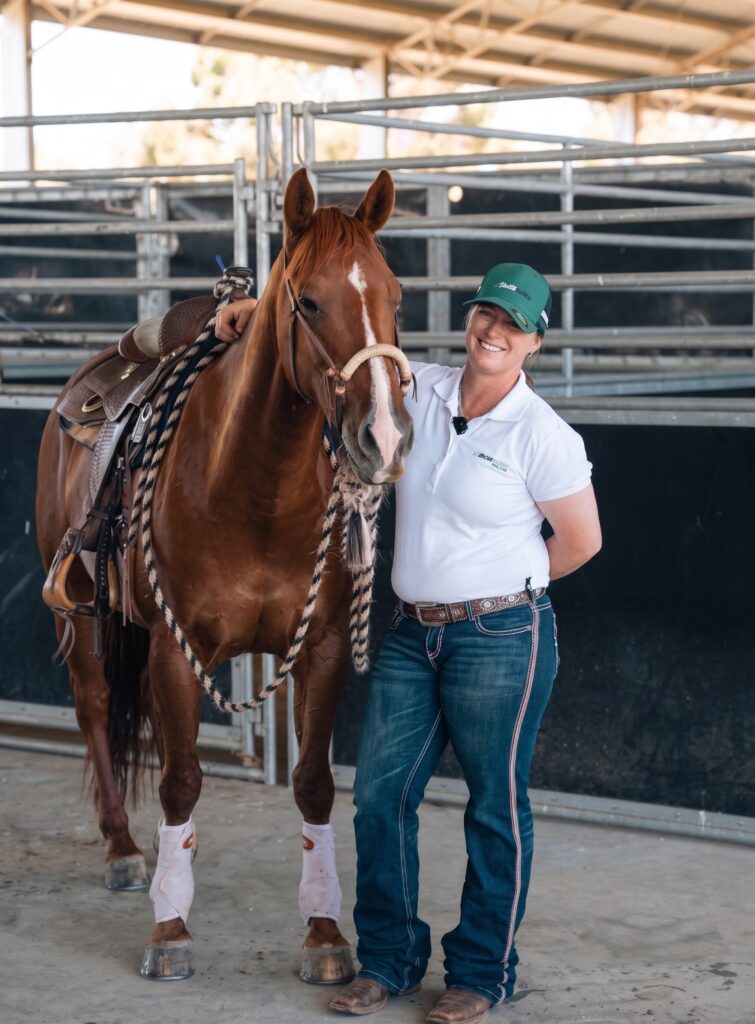
Dr. Sabine Ware is an equine veterinarian based in Victoria, Australia, and owner of Equine HSD, which focuses on spine, dentistry, and pain management. Her approach centers on honest, transparent communication with owners. In her view, owners need real-world advice rather than textbook recommendations. “I think honesty is what it all comes down to,” Ware says. “Owners deserve an honest assessment of whether a treatment is likely to benefit their horse.”
Ware’s practice tells owners what the first few steps will cost when they book. She stresses that diagnostics alone do not make a horse feel better, so owners also need to budget for treatment. She explains that colic might resolve with an A$20 injection or escalate to surgery costing A$20,000 to A$40,000, with the decision often made within a couple of hours. Unlike in the U.K., where she has also practiced, few horses in Australia are insured, she says, so these costs fall on personal finances.
Ware also believes that difficult conversations should happen before an emergency. In the past year, she lost two of her own horses to colic, and despite being a vet, chose not to operate for financial reasons. She later walked owners through her decision process in an online seminar. Soon after, one attendee faced the same situation and was able to decide calmly. “Thinking it through beforehand means emotions don’t make the decision for you,” she notes.
According to Ware, guilt and emotion often lead owners to spend before they understand what is wrong. She believes owners should be able to say they cannot afford a treatment. Euthanasia, she adds, can be a humane choice, and there are often other options. She reads each owner, adjusting the conversation depending on whether they are weighing the decision emotionally or financially. “It’s okay to say no,” she says. “As vets, our job is to support owners with alternatives, not to make them feel guilty.”
Before agreeing to treatment, Ware suggests owners clarify three things. They should understand whether a procedure is the full solution or only the first of several steps. They should consider whether they are making an informed decision or an emotional one. And they should know what happens if they say no, along with the alternatives available. She would also like practitioners to stay within their own expertise and refer horses on when unsure.
Ware remarks, “As an owner, you should feel comfortable having these conversations with your vet, and better communication training could help vets handle financial and end-of-life conversations.” She also hopes owners will recognize the limits vets face. Even people who can describe their symptoms in detail are sometimes told their doctor does not know what is wrong, she notes, and horses cannot speak at all. Clearer conversations may lead to better decisions, less regret, and better outcomes for horses. A price list may show what care costs, but an honest conversation may show whether it is worth it.