
Reformer Pilates has rarely been more popular in Australia. Pilates has been ranked the country’s leading fitness trend for 2027 in AUSactive’s annual fitness trends survey, rising from third place in 2025. New studios continue to open, and gyms are adding Reformers to their floors. That growth is good news for the industry, but it may be outpacing the standard of instructor education.
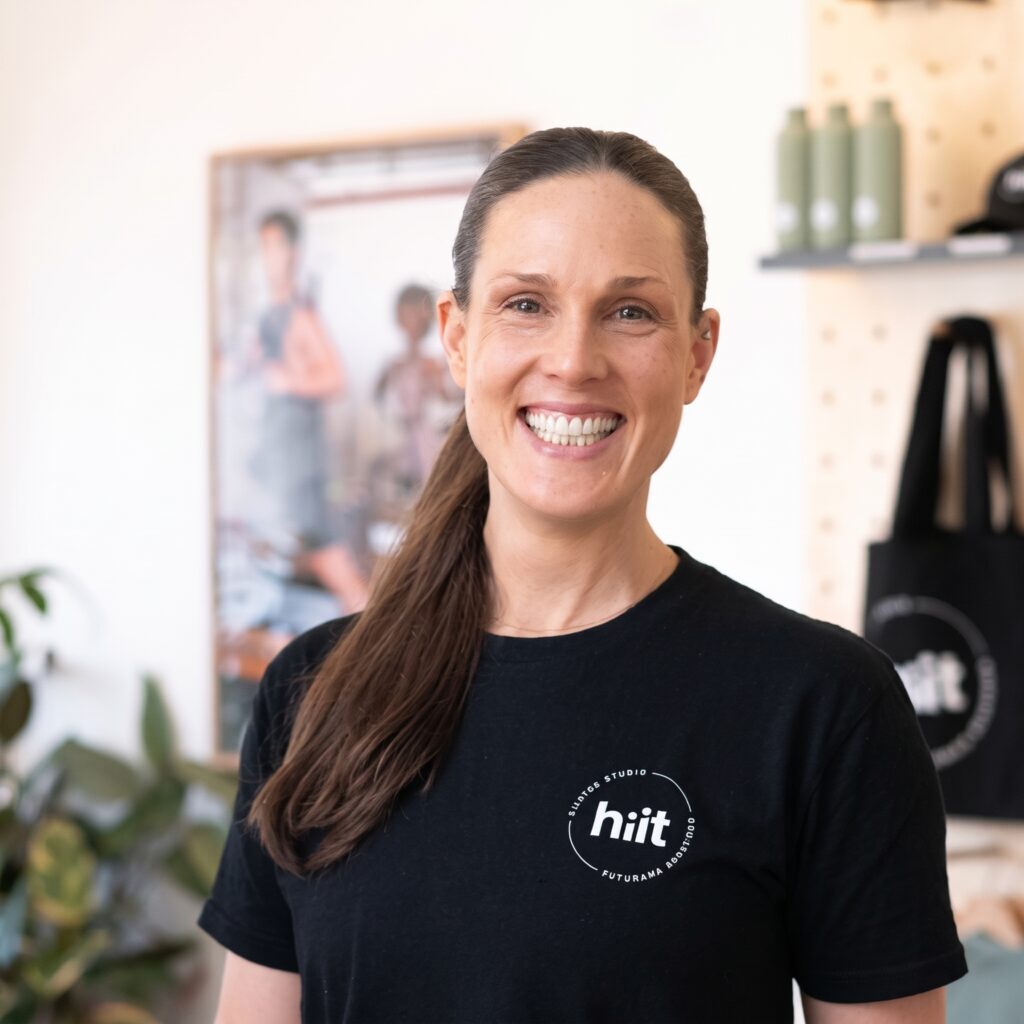
Carla Sconce, a Reformer Pilates instructor and founder and CEO of HIIT Pilates Studio, sees that gap firsthand. Pilates is among the fastest-growing physical activities for Australian adults, according to the Australian Sports Commission’s latest AusPlay data, and every new studio needs instructors quickly. In Sconce’s experience, the need to fill classes can outweigh the desire to find well-trained teachers. “Many instructors are coming out of weekend courses without the skill set to modify, progress, or adapt exercises safely,” she says.
The consequences may go beyond a disappointing hour. According to Sconce, people who try a poor class at a gym or studio may assume that is what Pilates is, and never return. At worst, poor cueing can lead to injury, since participants are balancing and moving on equipment that moves with them. “The mass production of Reformer classes risks giving Pilates a bad name,” she says.
Through HIIT Pilates Studio’s teacher training academy, Sconce aims to address that gap. The academy offers in-person and online training that goes beyond teaching individual exercises. Its focus is on how to sequence and deliver a group Reformer class that is safe, functional, and results-driven for people of different abilities. “There is a formula to teaching a great group class,” Sconce says. “It is a skill, and it can be taught.”
Sconce believes one of the biggest misconceptions in the industry is that knowing the exercises makes someone a teacher. Instructors need to understand why each movement is performed, which muscles it targets, and what it is meant to achieve. Pre-built programmes and apps have their place, she says, but they can stop instructors responding to the people in front of them. “You should be programming for the people in your class, not simply playing someone else’s playlist,” she says.
In Sconce’s view, a strong class is built in layers. It starts with body placement and a small range of movement, then builds range and complexity, for example, moving from a forward lunge to a lunge with a bicep curl, then adding a pulse with rotation. In a room of mixed abilities, each participant can work at the level that suits them. “Every person in that class should feel like a success,” she says.
Sconce says sequencing matters just as much, with classes flowing between muscle groups so they have time to recover, rather than counting out reps on each side. Without progression, she explains, clients plateau, stop seeing results, and stop coming back. She also believes props should be used with purpose. “Adding more props doesn’t make a class better,” she says. “Understanding how to use one well does.”
Sconce sees social media as an added risk. New instructors may copy elaborate sequences from videos that were filmed many times to get right, and bring them into classes of 20 or 30 people. In her view, those sequences are rarely designed for a group setting. “Without understanding the why and the how, an exciting sequence can quickly become an unsafe one,” she says.
Sconce’s message to studio owners and gyms is that investing in equipment should also mean investing in the people who teach on it. She believes upskilling existing instructors may improve the client experience, support retention, and protect a studio’s reputation. For aspiring instructors, she encourages looking beyond the quickest qualification. “Choose the education that prepares you to teach real people safely,” she adds.
Sconce sees Reformer Pilates as a form of exercise that can serve almost everyone, offering strength, cardio, and a sense of community. Some of her clients are in their 80s and still building strength. She would like more people to use Pilates to stay active before injury, rather than only during rehabilitation. In her view, the industry can keep growing, but only if every person who steps onto a Reformer has a good first experience.