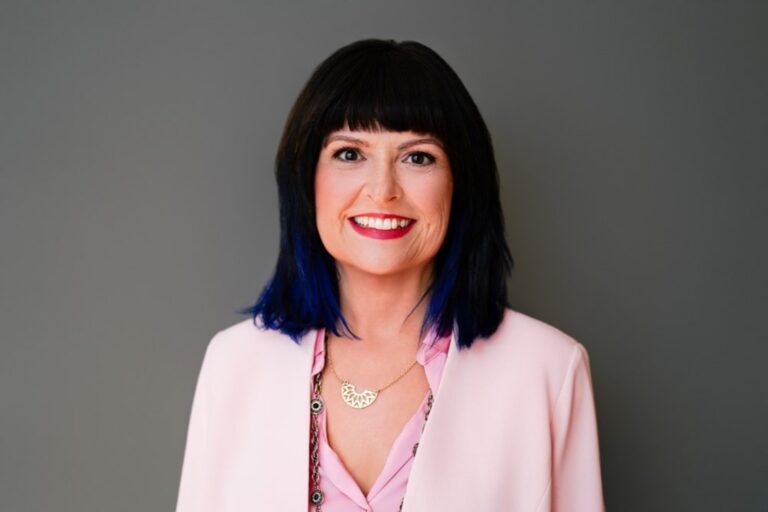


By Danielle Sebastian
Trauma recovery falls short when families focus exclusively on the person who experienced the trauma. Standing beside someone through their healing journey can come with a significant emotional toll. For relationships to become healthier and recovery to be sustainable, the supporting partner must receive attention and support as well.
I understand how easily the person supporting a survivor can be overlooked. When I discovered that my husband had experienced childhood sexual abuse, I wanted to understand how those experiences might affect our marriage. I looked for answers, but most of the information I found focused on survivors, with very little practical advice for the spouses navigating life alongside them.
This lack of support has consequences. Partners are often expected to remain patient while dealing with unpredictable emotional responses, withdrawal, disagreements, and prolonged silence. They may find themselves carrying additional parenting and household responsibilities while constantly trying to avoid another conflict. There is often an expectation that once the survivor begins treatment and makes progress, the relationship will automatically get better. Yet healing rarely follows a predictable path. A couple might move two steps forward before taking one step back, but for the partner experiencing these setbacks, it can feel as though progress has disappeared entirely.
Partners can also develop triggers of their own. I refer to these as secondhand triggers: emotional alarm responses that develop after repeatedly anticipating another person’s distress. Consider a sponge left in the kitchen sink. If its presence has previously led to an angry reaction, the spouse may begin checking the sink whenever they return home. Eventually, that ordinary sponge becomes a signal of potential conflict. The partner starts monitoring their surroundings, carefully choosing their words, and arranging everyday activities around the possibility of another emotional outburst. Something seemingly insignificant can gradually influence the atmosphere throughout the home.
This is more than simply being considerate. It means living in a constant state of alertness. One person responds to a reminder of their past, while the other becomes anxious about how that response might affect the household. Over time, the supporting partner may begin losing their sense of self, personal interests, friendships, and confidence. Their attention becomes so focused on managing the other person’s emotions that their own well-being becomes dependent on keeping that person emotionally stable. This can develop into codependent patterns, where the relationship becomes increasingly defined by trauma rather than affection, trust, and the shared experiences that once brought the couple together.
Research is beginning to shed more light on this issue. A June 2026 study indexed by the National Library of Medicine surveyed 513 romantic partners of people recovering from traumatic injuries. It found that partners who perceived more severe post-traumatic stress symptoms also reported providing greater levels of support and experiencing more difficulty in doing so. Although the study does not encompass every relationship and did not focus exclusively on partners of childhood-trauma survivors, it highlights an important reality: supporting someone through trauma can create a substantial emotional burden for the person providing that support.
Similarly, a 2026 review published in Sage Journals, which examined 41 studies on family-inclusive trauma interventions, highlighted the value of approaches that involve family members and recognize recovery as a shared experience. Healing takes place within relationships, and those relationships deserve care and attention throughout the process.
None of this suggests that a spouse should accept intimidation, abuse, or behavior that compromises their safety. Trauma can provide context for certain reactions, but it does not excuse harmful behavior or eliminate the responsibility to address its consequences. Equally, nobody should feel obligated to remain in an unhealthy relationship. However, asking someone, “Why don’t you just leave?” does not address the needs of a person who wants to preserve their marriage, recognizes the person they love beyond their trauma, and is searching for a healthier way to move forward. Choosing to stay should come with a meaningful commitment to change, accountability, and support for both partners.
My message to supporting partners is simple: you must put on your own oxygen mask first. Consider finding a therapist or support group familiar with the effects of trauma on intimate relationships. Establish firm boundaries around acceptable behavior, and continue making time for friendships, interests, and activities that are yours alone. When your partner has an emotional reaction, try not to immediately interpret it as a reflection of your value or worth. It may be rooted in an unresolved wound rather than anything you have done. Compassion is important, but you are not responsible for regulating another adult’s nervous system.
Clinicians also have an important role to play. Make a point of asking the supporting partner how they are coping. Provide appropriate guidance and opportunities for involvement, while continuing to respect the survivor’s privacy, boundaries, and personal choices. The person who is not attending therapy should not automatically be assumed to be managing everything well.
Imagine a household where one person’s painful past no longer controls the present for everyone else. The survivor receives the care they need, the supporting partner has the freedom to breathe and maintain their own identity, and children can grow up without being surrounded by persistent tension.
When partners are overlooked, emotional vigilance and disconnection risk becoming accepted features of family life. When they are included, recovery has a greater chance of becoming something the entire household can experience and benefit from, rather than something everyone is simply trying to endure.
About the Author
Danielle Sebastian is a licensed pharmacist, trauma-informed relationship strategist, and author of Resilient Wives: A Guide for Wives Supporting Their Husband Through Childhood Trauma Recovery. She also hosts the Love & Trauma: The Real Deal podcast. Drawing on her personal experience and more than nine years of research, she turns trauma science into practical guidance for partners dealing with the effects of childhood trauma on marriage, family relationships, emotional safety, and connection.