
America’s restaurant industry is facing one of the most difficult periods in decades. Rising food pricing, labor shortages, and escalating operating expenses account for only a few of the problems forcing operators across the country to reconsider how they run their business. Industry associations have continued to report that profitability remains a major concern for many restaurant owners as they balance higher costs with changing consumer expectations.
Independent restaurants have been especially exposed. Unlike large chains with significant resources and purchasing power, smaller operators often absorb economic pressure directly, making every staffing decision, supplier negotiation, and customer interaction critical to survival.
Restaurant closures have become an increasingly familiar headline as nearly 10% of restaurants are projected to close this year. Still, many operators often frame the conversation around forces outside their control. Inflation, supply chain disruptions, and staffing pressures dominate industry discussions, while leadership often receives far less attention. Economic conditions may shape the playing field, but they rarely determine how an organization responds once the pressure arrives.

Consumer expectations have shifted just as quickly as the economic landscape. Diners are looking for consistency, genuine hospitality, and experiences that justify spending. Meeting those expectations calls for leaders capable of building resilient teams, earning trust, and creating workplaces where employees are invested in the mission rather than simply filling shifts.
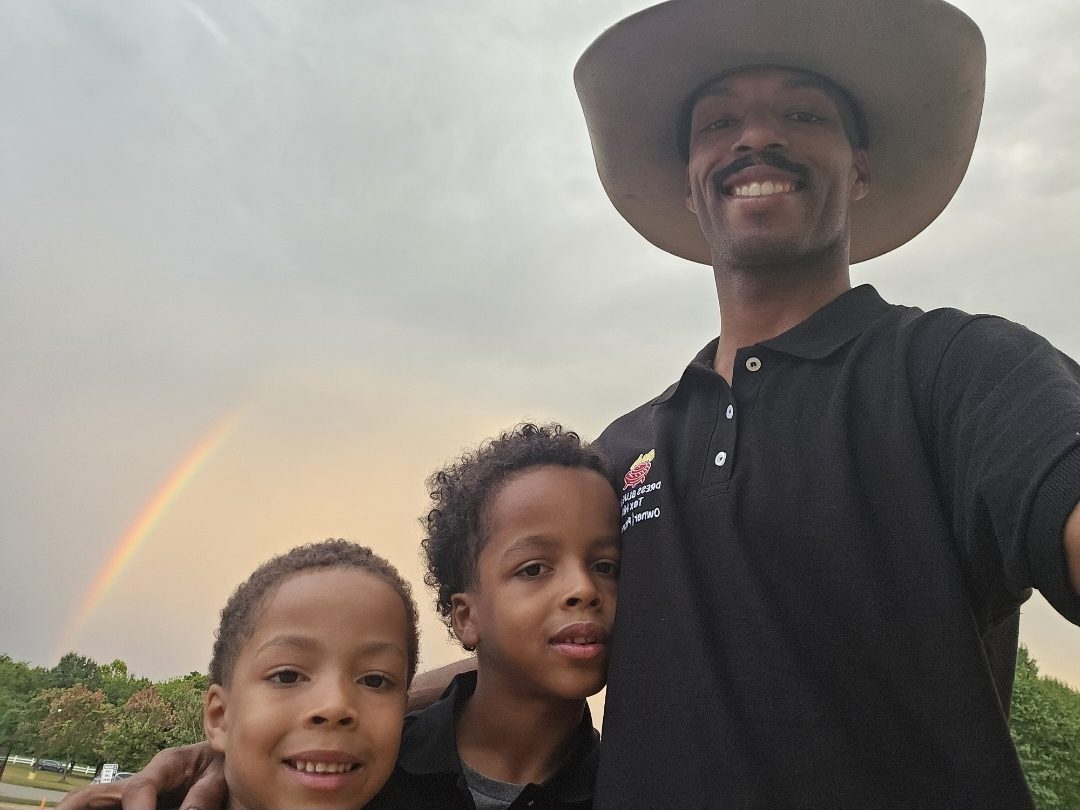
Patrick “Tex” Hill, a Marine veteran, film actor, entrepreneur, and founder of Dress Blue BBQ and ADAMANTOM Group, believes the industry’s most urgent shortage is precisely that kind of leadership. “Tex” Hill’s argument is rooted in the belief that economic challenges reveal the strength of an organization’s culture. Businesses across industries face uncertainty, but the ones that endure are often those where leaders create accountability, develop their teams, and establish a clear sense of purpose.
“Leadership is making the right decisions for the right reasons, even if they’re not popular,” “Tex” Hill says. “It’s ensuring you train and equip your subordinates to accomplish tasks, communicate effectively, and allow people to make decisions at the lowest level.”
“Tex” Hill shaped this mindset long before becoming a restaurateur. His years in the Marine Corps taught him that leadership is rooted in responsibility, not authority. The experience influenced how he approaches business today, particularly the relationship between an owner and the people who help build the organization.
“In entrepreneurship, I have failed more than most people have ever tried,” “Tex” Hill says. “Those experiences have allowed me to refine several key performance indicators for success.”
“Tex” Hill believes one of the biggest mistakes business owners make is treating employees as a cost rather than an investment. In hospitality, where customer experiences depend heavily on human interaction, he believes internal culture eventually becomes visible to guests. “The way you treat the people that work under you will translate into how they treat the customers,” “Tex” Hill says. “If you take care of your employees, they will take care of the customers.”
He brings that workplace culture to Dress Blue BBQ, where “Tex” Hill believes respect is a non-negotiable standard. While experience is given importance, he prioritizes character when building his team, believing the right people can be developed with proper training and guidance. “I hire for character, not necessarily skill set in most positions,” “Tex” Hill says. “Character allows me to develop the culture.”
The same importance is given to the dynamic customer expectations. While technology and convenience continue to influence the industry, “Tex” Hill believes personal relationships remain one of the strongest advantages smaller businesses can offer. His own approach to hospitality is tied closely to community. Through his involvement with Worship and Praise Church, “Tex” Hill participates in outreach efforts, including Bikes for Christ, which provides bicycles to children, along with community events supporting youth development. Uncle Jim’s Dress Blue BBQ also sponsors the Virginia War Memorial, committing to providing food for major events over five years.
Faith plays a significant role in how “Tex” Hill approaches uncertainty and long-term decision-making. Entrepreneurship, he says, requires resilience because setbacks are unavoidable and progress rarely follows a predictable path. “I have a lot of faith in the things that I do,” “Tex” Hill says. “I prayed, I fasted, I asked for direction, and I suffered well. When you operate knowing that it’s going to be okay, it allows you to make decisions long term for the betterment of the organization.”
Mentorship is another pillar that “Tex” Hill believes is vital for effective leadership. In his view, entrepreneurs should seek guidance from experienced leaders while approaching relationships with a mindset of adding value. He says, “Find a mentor doing business at the level you would like to do business at and learn from them. When you meet people, don’t look to be a taker. Look to be a giver, but deal with discernment.”
As restaurants continue navigating economic pressure, the debate around survival often centers on external forces. Rising costs, workforce challenges, and market shifts will remain realities for operators across the country. “Tex” Hill believes the businesses that adapt successfully will be those where leadership becomes the foundation.
The future of the restaurant industry may depend on more than the next menu innovation or cost-saving strategy. It may depend on whether owners are willing to build organizations where people believe in the work and feel responsible for the communities they serve.
