
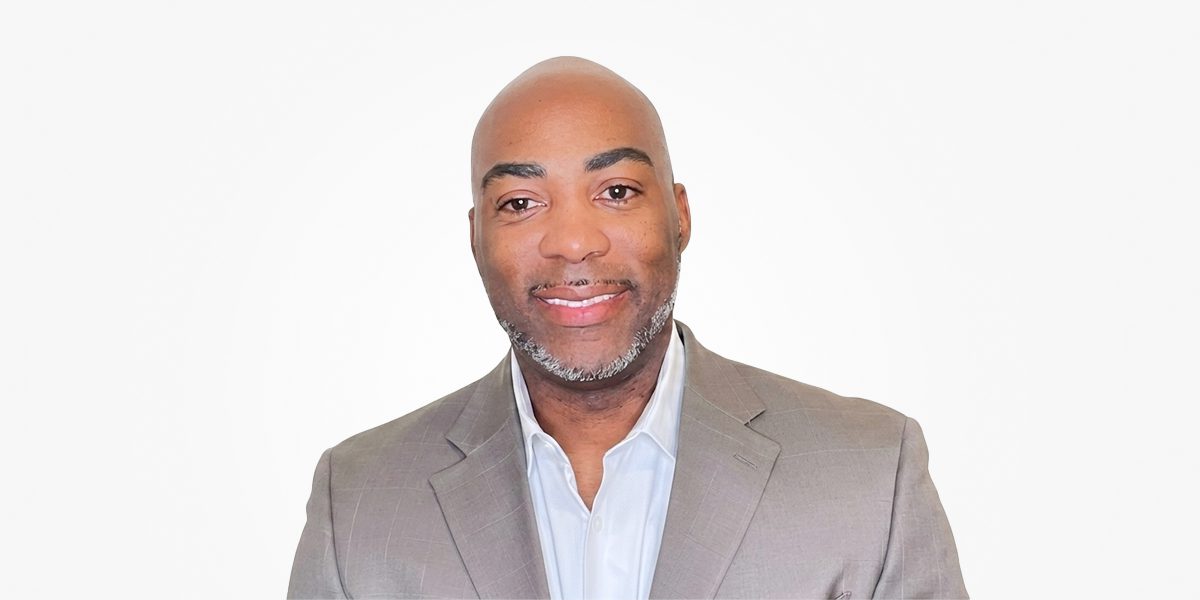
Dr. Che Jordan is the COO of Guided Paths, an organization that revolutionizes mental health through cultural change and enhanced care. He has spent years working to close gaps in care and create better opportunities for people seeking support.
Guided Paths has become the benchmark for mental health culture change, proactive risk management, and regulatory compliance.
In this interview, Dr. Jordan shares the experiences that inspired his work, his views on servant leadership, the future of community-based behavioral healthcare, and what society often misunderstands about long-term recovery.
You have often spoken about your early exposure to the realities of addiction, homelessness, and mental health struggles across underserved communities. Can you take us back to your personal journey and share how those early experiences shaped your decision to step into leadership at Guided Paths and to build a career focused on community healing?
Dr. Che Jordan: I’m the COO of Guided Paths.
Personally, I grew up around addiction and saw people in the community battling generational trauma. Sometimes, you can get to the point where it is seen as the way life is and start to become a product of the environment. As if there are no better choices, because the superstars you looked up to at some point are what you wanted to become or emulate, and as you get older, you see them as drug addicts because they became an addict. At some point, they lost their way, and the wisdom they offer is words like “I wish I could stop, but I can’t.”
Furthermore, seeing our military veterans sitting outside of facilities on my walks to school in the morning, I wonder who is taking care of these people. They serve our nation every day to protect our liberties and freedoms so we can enjoy food, family, and entertainment. Yet, the mental health facilities don’t appear to look the greatest or give a warm feeling to come in and receive treatment. I didn’t identify the barriers and struggles preventing people from receiving treatment and, more importantly, from receiving quality, appropriate care coordination. At that point, I was determined to one day join other leaders in the fight to help people obtain appropriate care and treatment.
Stepping into leadership at Guided Paths means bridging gaps in care and expanding relationships to help rural and urban hospitals struggling to meet community needs due to Medicaid cuts, staff shortages, and a lack of partnerships. When you are in rural communities, there are not a lot of community resources, at times no workforce development programs, no community or state college for the most part, and a lack of community grant funding. So, personal mental and medical needs can start playing a role in their everyday life performance and decision-making, which could also create, at some level, generational trauma and potential for drug usage as a relief.
In earlier interviews, you emphasized servant leadership and the belief that healthcare must remain grounded in dignity and human connection. How do you translate this philosophy into day-to-day operational decisions at Guided Paths, particularly when balancing administrative demands with the emotional realities of patient care?
Dr. Che Jordan: The bottom line in all business is the client, and based on the client’s mental health challenges, addiction issues, and what they lack in terms of resources, we determine whether we need to expand services or open a new service. I believe that we haven’t served enough people, and every day we need to assess our ability and get ourselves in a position to provide the wraparound service our clients need. So we look at trending data and feedback, which help balance administrative demand with the emotional realities of the feedback. It is a balanced approach, with the end goal of helping, supporting, and serving more through in-house care or resources that provide care coordination to consciously support the client’s mental and recovery journey.
You also focus on innovation in behavioral health systems. What are some less visible or emerging innovations you are currently working on within Guided Paths that you believe could reshape how community-based mental health and addiction recovery services are delivered in the future?
Dr. Che Jordan: Since clients lack transportation, a focus on telehealth services for mental health IOP, and employing people who live close to underserved communities, we can help meet the high demand for mental health services from those calling the 998 crisis system. It is truly an overwhelming demand in all communities.
You have highlighted structural challenges in healthcare, including funding constraints, workforce shortages, and rising demand for behavioral health services. Beyond operational adaptation, how do you personally sustain resilience as a leader while navigating these ongoing systemic pressures?
Dr. Che Jordan: Continuously making adjustments to the strategic plans and staying ahead by assessing market trends, housing costs, inflation, upcoming legislative policies and procedures that could affect how you have to operate the business, and documentation changes by the managed care system in how they want to receive information from the business. So, it’s important to be in tune with and monitor the whole healthcare ecosystem and maintain those relationships to make appropriate adjustments when needed. In the end, one thing is certain: people need help, and we are going to help, scaling up or down in whatever capacity we can.
And finally, looking at substance use and mental health trends today, what is something the public consistently misunderstands about relapse, stability, or long-term recovery that you wish more people would openly acknowledge or rethink?
Dr. Che Jordan: It takes a village and/or supporting community to help someone stay in recovery. When you have generational trauma, the advice that you seek can only come from a person in trauma who may not be healed yet, and so when you don’t seek out therapy or other services available due to stigma or what you grew up and were told seeing a therapist is not cool, or they (therapist) don’t need to know what’s going on in our house. That’s simply wrong. When you don’t have appropriate support systems and you are dealing with a financial crisis or food insecurity, without good coping skills, drug usage to ease the mind and pain is what a person can tend to seek out for relief from that pressure. Single parents and families need help. So, let’s get them some help and build a community and village around them of healthy support, but you must be willing to receive.
Conclusion
Dr. Che Jordan emphasizes that recovery is rarely a journey someone completes alone. Families, friends, healthcare professionals, and community resources all play important roles in helping people maintain stability and build healthier lives. Reducing stigma around mental health treatment and addiction recovery remains a critical step toward creating stronger communities. The interview also highlights the importance of understanding the challenges many individuals face long before they enter treatment because these issues often shape a person’s path and recovery journey. Guided Paths continue to make a difference in countless lives, guided by leaders like Dr. Jordan.