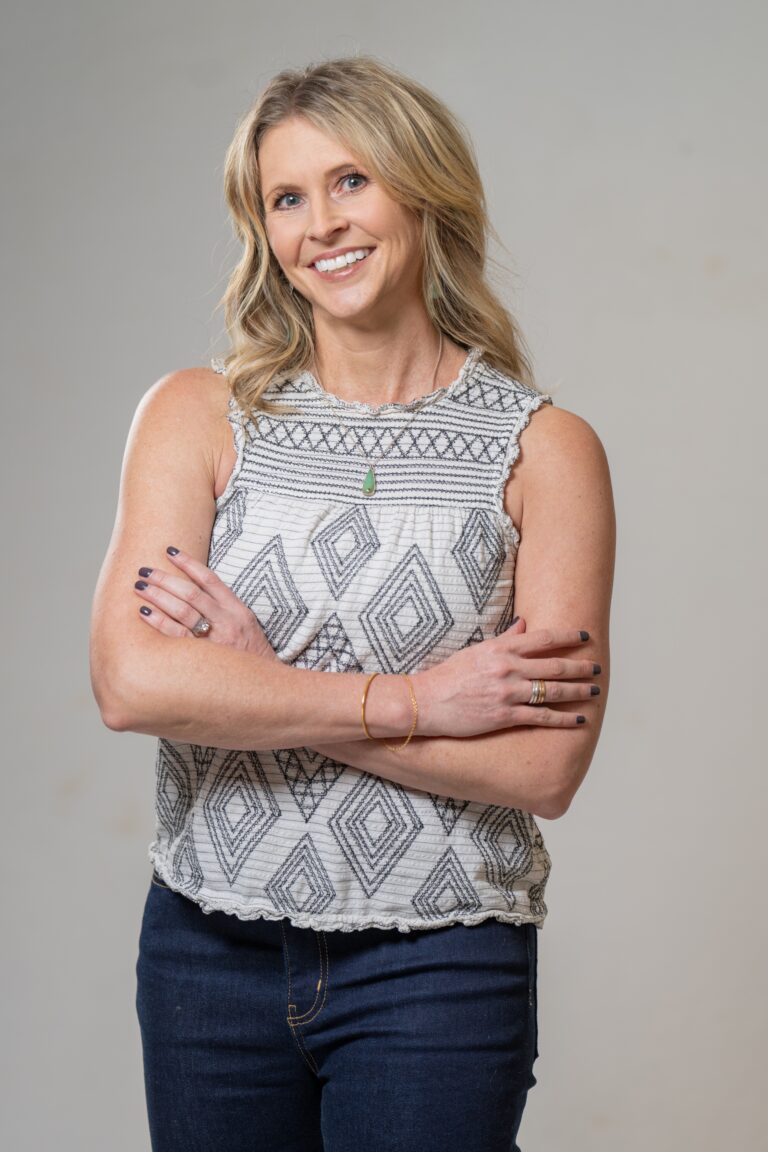

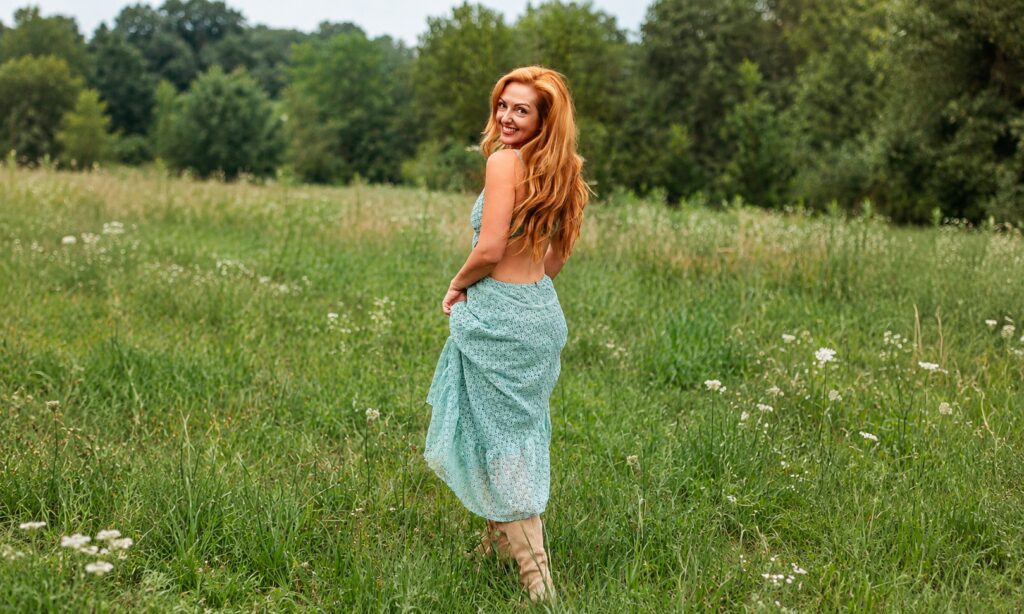
For portrait photographer Audrey Massart, a photograph is more than a record of how someone looked on a particular day. Through Ateliers Massart and Audrey Massart Photography, she explores a more personal question: what changes when someone feels genuinely seen?
For Massart, the answer reaches beyond lighting, composition or a flattering image. People are rarely defined by one moment or one version of themselves. Loss, change, fear, parenthood, reinvention and the quieter experience of putting others first can all alter how someone sees themselves. A portrait session can create space to pause, take stock and recognise the person who is there now.
This philosophy is at the heart of The Art of Rising, the guiding idea behind Massart’s work. It is not presented as a story of hardship overcome, nor as a celebration of perfection. Instead, it reflects a broader belief: people are allowed to change, and every stage of life deserves to be acknowledged. For Massart, the camera is the instrument. Empowerment, connection, storytelling and transformation are the reasons to use it.
That distinction shapes the experience she creates at Ateliers Massart. Rather than treating a portrait as a standard service built around a pose or a finished image, Massart designs highly personal sessions around the individual. The aim is not to make every client look the same, or to impose a narrow idea of confidence. It is to understand who someone is and to create photographs that reflect more of that person’s character.
Some people arrive with something to celebrate. Others may be rebuilding after a difficult period, adjusting to a new role or entering a chapter they have not yet learned how to describe. Still others realise that they have spent years taking photographs of family, friends and colleagues while rarely appearing in images themselves. Massart’s approach makes room for all of these reasons. There is no single correct emotion to bring to a portrait session, and no requirement to arrive feeling entirely confident.
Massart is not seeking an image of an idealised self. She is interested in truth and in qualities that coexist within one person: strength and softness, vulnerability and confidence, certainty and doubt. Those contrasts are not flaws to be edited out. They are part of what makes a person recognisable to themselves and to the people who know them.
In this sense, the work of Audrey Massart Photography asks a different question from conventional portraiture. Instead of focusing only on how a subject appears to others, it considers how the experience might affect the subject’s own relationship with their image. Being photographed can feel exposing, particularly for someone who has become accustomed to putting their needs last or who is navigating a change in identity. A thoughtful portrait experience can offer a rare opportunity to be present without having to perform a role for anyone else.
Massart’s emphasis on being seen also extends beyond individual portrait sessions. It informs SEEN, a project that celebrates children with special needs for who they are, beyond labels, diagnoses or differences. The project reflects the same principle that underpins The Art of Rising: a person should not be reduced to the assumptions others may make about them. Recognition begins with seeing the individual, rather than allowing a category to stand in for a whole life.
The projects are connected: The Art of Rising explores seeing oneself anew, while SEEN considers how others are regarded and represented. Both challenge the idea that a photograph’s value lies only in appearance. They suggest that an image can also communicate dignity, individuality and belonging.
Massart’s own experiences helped her understand how important it can be to feel truly seen, but she is careful not to make The Art of Rising solely about her personal history. Ateliers Massart is not built around a single story of resilience. Its philosophy is intended to make space for many stories, including experiences that may not be easily explained or neatly resolved. The person in front of the camera remains the centre of the work.
That approach also reframes what clients take away. The photographs matter, but Massart hopes the experience offers something that continues after the session: a stronger connection with oneself, a renewed sense of presence or simply the feeling of having been recognised without needing to meet an expectation. The images become a way to preserve not an unchanging identity, but a particular and meaningful version of a person at a particular point in life.
In a culture saturated with carefully selected images, the idea of a portrait that does not chase perfection carries a different kind of appeal. It makes room for complexity and for the fact that confidence is not always loud, transformation is not always dramatic, and personal growth does not follow a fixed timetable.
Through Ateliers Massart, Audrey Massart is building her work around that understanding. The Art of Rising is ultimately an invitation to recognise that becoming someone new does not require permission, and that no stage of life is too late to be witnessed. A portrait may begin with a camera, but in Massart’s hands, its purpose is to help a person see that their story is still unfolding.