
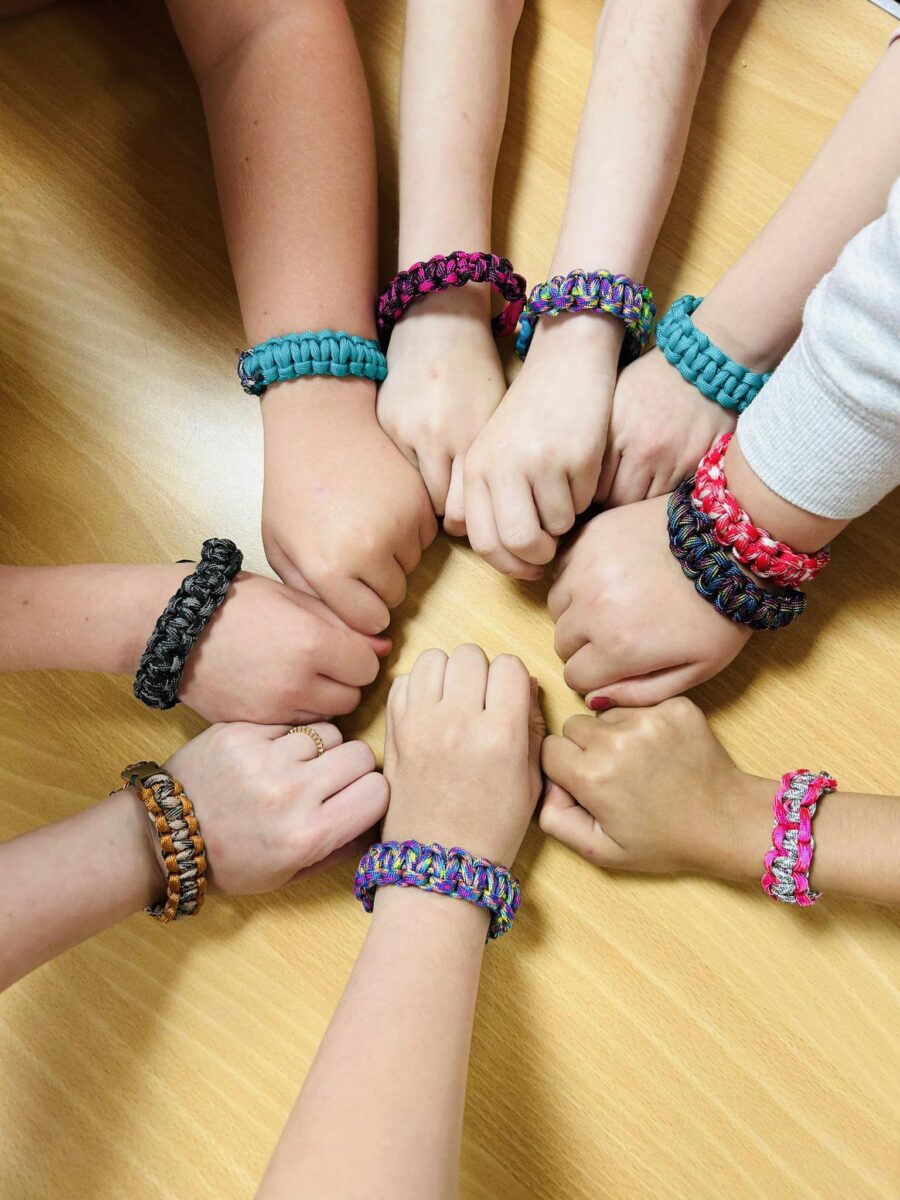
Loneliness and social isolation have become defining challenges of modern community life, affecting people across generations and circumstances. In Warwick, United Kingdom, one community organisation is responding with a simple but powerful idea: connection can change lives. The Gap, formerly known as Warwick Percy Estate Community Projects Ltd., has spent more than two decades creating places where people can meet, participate, learn, contribute, and feel that they belong.
“We believe in the transformational power of people getting together to support one another,” says Marcos Campos, CEO of The Gap. “This belief drives our passion to build safe spaces across Warwick, which allow people of all ages and backgrounds to come together, enjoy activities, and access support services.”
The organisation’s story began in 1999, when residents came together in response to tensions between younger and older members of the community. What began as a local effort developed into a broad programme of community activity, eventually growing beyond an empty shop in the local precinct and moving into a derelict church hall. The building was transformed into the community centre that remains at the heart of The Gap’s work today.
That history matters because The Gap’s model has evolved alongside the needs of the people around it. More than 2,000 people now use its services regularly each month, with provision designed to reach residents at different stages of life and with different circumstances.
For children and young people aged 7 to 16, The Gap Youth provides seven universal youth clubs across five Warwick locations. The programme combines recreation with opportunities to develop practical and social skills. GapACTIVE! introduces sports and team games, while GapCHALLENGE! uses problem-solving and STEM activities to encourage collaboration and cognitive development. GapGO! brings outdoor skills, leadership, and resilience into activities such as navigation, shelter-building, and camp craft. Creative projects and cooking workshops add further opportunities for communication, confidence, and independence.
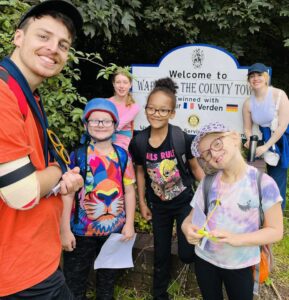
The emphasis extends beyond keeping young people occupied. Each activity is designed to encourage stronger relationships and social skills, greater self-confidence and resilience, and healthier lifestyle choices. Cooking sessions, for example, introduce practical food preparation, nutrition, and food hygiene while giving young people recipes to take home and share with families.
For residents aged 60 and over, The Gap Goldies offers a different but equally important form of connection. Weekly social and wellbeing activities run five days a week, providing opportunities for companionship, movement, creativity, and continued independence. Computer sessions, lunches, crafts, indoor bowling, and other activities create regular points of contact for older adults who may otherwise experience isolation.
Community support also extends beyond the main centre. Outreach work on the Packmores estate focuses on residents who can be harder to reach, including low-income families. Packmores Pantry redistributes surplus food collected from local supermarkets, while cooking sessions help families develop practical skills around preparing fresh, nutritious meals.
This breadth is part of what distinguishes The Gap. The organisation does not operate as an isolated service provider; it connects residents with a wider network of service providers, businesses, venues, faith groups, volunteers, council workers, charities, and not-for-profit organisations. The result is a community hub capable of linking people with activities and services that can improve quality of life.
That philosophy has also shaped the leadership of Marcos Campos. His career in community work began in Brazil, where he worked with street children and co-founded a judo project in one of the poorest areas of Goiânia. After moving to the UK, Campos joined The Gap in 2008 as a Youth Team Leader and progressed to become Director in 2014, and then CEO in 2026. More than 20 years of community development experience across Brazil and the UK have informed a leadership style centered on creativity, mentorship, personal growth, and community empowerment.
The leadership journey is closely connected to The Gap’s wider purpose. “No community can thrive when people feel invisible or disconnected,” Campos says. “Creating opportunities for people to contribute, build relationships, and discover their strengths is an essential part of creating a healthier and happier community.”
The Gap’s vision is consequently broader than individual programmes. The ambition is for a vibrant Warwick community characterised by respect, compassion, and confidence, where friendships can flourish, aspirations can be pursued, and residents have opportunities to participate. That vision depends on shared investment in community life. Those who believe in The Gap’s mission can support its continued work through charitable giving, helping sustain the spaces, activities, and outreach that make connections possible for residents across Warwick.
As The Gap continues to develop, its central proposition remains that communities become stronger when people have somewhere to belong and a reason to come together. Through connection, shared purpose, and mutual support, The Gap is helping create a Warwick where more people can participate, contribute, and thrive.
