
As healthcare continues to evolve, more people are looking beyond conventional medicine to play a more active role in their overall wellbeing. Complementary and integrative health practices, once considered niche or alternative, are steadily becoming part of mainstream conversations about wellness.
Nearly 37% of U.S. adults now use some form of complementary or integrative health approach, collectively spending more than $30.2 billion each year, much of it out of pocket. The growing investment reflects increasing public interest in wellness strategies that can complement traditional medical care rather than replace it.
The trend is being fueled in part by the growing prevalence of chronic health conditions. Approximately one in five American adults lives with chronic pain, prompting continued research into how practices such as acupuncture, qigong, yoga, tai chi, and mindfulness may support conventional treatment for certain conditions. While scientific evidence continues to develop, many people are embracing these approaches as part of a broader commitment to physical, mental, and emotional wellbeing.
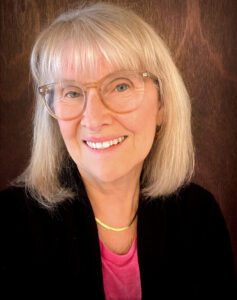
For Wendy Lang, founder of Empty Mountain, this shift represents something larger than a wellness trend. Based in California, Empty Mountain provides education and professional training in Medical Qigong, Shamanic Chinese Medicine, meditation, channeling, retreats, and related personal development practices. After more than 30 years studying Chinese energetic traditions and meditation, Lang believes today’s growing interest reflects a desire for a more comprehensive understanding of health.
“People want to be active participants in their own wellbeing,” Lang says. “They’re looking for opportunities to better understand themselves, learn from different traditions, and develop a deeper awareness of both their bodies and their lives.”
According to Lang, many of the practices gaining popularity today have existed for centuries. Disciplines such as qigong, meditation, and Chinese energetic traditions have been refined and passed from teacher to student over generations. What has changed, she says, is accessibility. Online education, international collaboration, and greater public awareness have opened doors to knowledge that was once available only through limited circles of practitioners.
Lang’s own journey began during the late 1980s after spending several years living in nature off the coast of British Columbia. An intensive eight-month qigong retreat became the foundation for decades of study with respected teachers throughout North America and India. She later earned a master’s certification and has spent more than two decades teaching a comprehensive three-year practitioner program while continuing to expand Empty Mountain’s educational offerings.
“When I first began teaching, these subjects appealed to relatively small groups of people,” Lang says. “Today there’s much greater curiosity. People are exploring different perspectives and learning from multiple traditions instead of relying on just one.”
She believes yoga offers one of the clearest examples of changing public attitudes. Once viewed as unconventional across much of the Western world, yoga is now commonly found in hospitals, workplaces, fitness centers, and community organizations. For Lang, that evolution demonstrates how public perception can change as research grows and familiarity increases.
Her work combines traditional Chinese energetic practices with meditation and intuitive development, while maintaining that these approaches are designed to complement rather than replace conventional healthcare. She regularly encourages students and clients to seek medical treatment whenever appropriate and believes both conventional medicine and complementary practices have important roles to play.
“I’ve absolutely told people they need to go to the emergency room,” Lang says. “There are situations where medical care is exactly what’s needed. My role is to help people explore additional dimensions of healing that may support their overall wellbeing.”
As public interest in integrative wellness continues to expand, Lang believes education will become increasingly important. Rather than encouraging people to accept any single philosophy, she hopes greater access to information will empower individuals to ask informed questions, thoughtfully explore longstanding healing traditions, and make decisions that best support their personal health journeys.
For Lang, the future of wellness is not about replacing modern medicine with ancient practices. Instead, it is about helping people become more informed, engaged, and intentional participants in their own health and wellbeing.
