
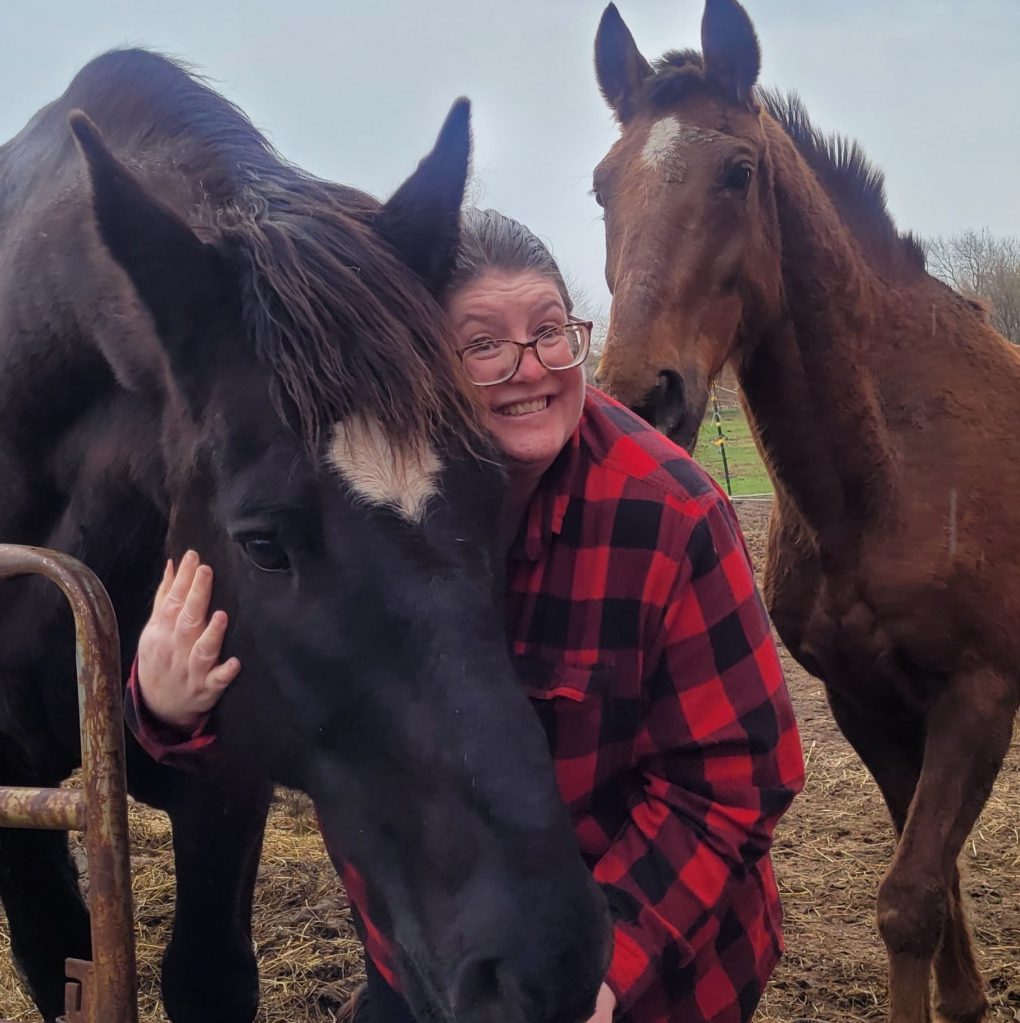
For horses that have spent years working alongside people, retirement can bring a difficult transition. Aging, illness, injury, changing financial circumstances, or abandonment can leave animals without the care they once received. In the most serious cases, horses may become vulnerable to neglect or enter the slaughter pipeline. For Camille Skotnicki, changing that trajectory has become the purpose behind her work.
As founder and director of BoMeric Horse Rescue, Skotnicki has developed an organization centered on the belief that a horse should not lose its right to care simply because it is no longer able to perform as it once did. Based in Evansville, Wisconsin, BoMeric works with horses experiencing a range of challenges, including old age, abandonment, neglect, illness, and the threat of slaughter.
BoMeric operates as a 501(c)(3) public charity, but its work goes beyond the immediate act of taking an animal out of danger. The organization seeks to provide ongoing care and comfort while also responding to some of the financial and practical circumstances that can put vulnerable horses at risk.
Several of BoMeric’s initiatives reflect that broader approach. Its general operating fund, named in honor of Bo and Meric, the organization’s first rescued horses—helps provide care across the rescue’s population, regardless of the individual circumstances surrounding each animal.
The Diamond Initiative has a particular focus on senior horses. Rather than viewing advanced age as a reason for an animal to be discarded, the program seeks to help older horses remain in familiar environments when that is possible. For owners, the increasing costs and responsibilities associated with an aging horse can become difficult to manage, particularly when the animal can no longer be ridden.
Financial pressure can also become a critical factor when a horse becomes seriously ill or injured. Through the Moe Foundation, BoMeric addresses the cost of veterinary treatment, helping owners facing significant medical expenses. The initiative is intended to reduce situations in which financial limitations could lead to an animal being euthanized despite treatment being available.
The Duncan Project addresses another side of the equine welfare challenge. Through cooperation with other rescues and organizations, BoMeric works to assist horses at risk of entering the slaughter pipeline, helping connect them with appropriate care and, when circumstances allow, suitable nurturing homes.
For Skotnicki, creating these programs has meant bringing together two very different areas of experience. Her professional background includes finance, human resources, and operations, including executive-level responsibilities in finance and administration. Those skills now support the operational side of running a horse rescue, from financial planning and resource management to fundraising and long-term organizational sustainability.
Fundraising is an especially important part of maintaining that infrastructure, with Skotnicki also using crowdfunding to help support the organization’s work.
Animal rescue is often understood through its most visible moments: a horse being removed from an unsafe environment, receiving medical treatment, recovering, and eventually finding a new home. Yet those outcomes depend on a much larger operational framework. Food, veterinary services, transportation, fencing, equipment, shelter, staffing, and everyday maintenance all require consistent resources.
BoMeric’s public wish list offers a glimpse into those less visible requirements. Alongside feed and grooming products, the list includes fencing materials, tools, and other supplies necessary to maintain a functioning rescue operation.
The organization’s work has also received attention from outside its own fundraising efforts. Special Horses, an organization that supports equine charities, included BoMeric Horse Rescue among its 2025 Emergency Fund Gift Recipients. The program’s published eligibility standards highlight factors including nonprofit status and financial accountability.
For Skotnicki, increased visibility is ultimately about more than recognition for the rescue or its founder. Awareness can help bring attention to the horses themselves, as well as the difficult choices owners can face when an animal reaches old age, develops a serious medical condition, or can no longer fulfill its previous role.
At the heart of BoMeric’s mission is a question that extends well beyond one rescue: what should happen to a horse when its relationship with humans changes?
For Skotnicki and BoMeric, the answer is that age, disability, retirement, or declining usefulness should not automatically determine an animal’s fate. Instead, there should be opportunities for horses to receive appropriate care, live comfortably, avoid unnecessary suffering, and, when possible, transition into safe and supportive homes.
That philosophy places BoMeric within a wider conversation about animal welfare, while also highlighting the realities of sustaining a rescue organization. Compassion may inspire someone to save an animal, but maintaining that commitment requires much more. Financial oversight, administration, fundraising, partnerships, facilities, and careful resource management are all essential to keeping a rescue operational.
Skotnicki’s work therefore represents both advocacy and organization. Through BoMeric Horse Rescue, she has created a framework designed not only to respond when horses are already in crisis, but to address some of the circumstances that can lead them there.
As BoMeric develops its programs and works to expand awareness of vulnerable horses, Skotnicki remains at the center of that effort. Her story is ultimately not only about individual rescues, but about building the structure necessary to give horses a second chance, and ensuring that there is somewhere for them to go when their working lives come to an end.
