
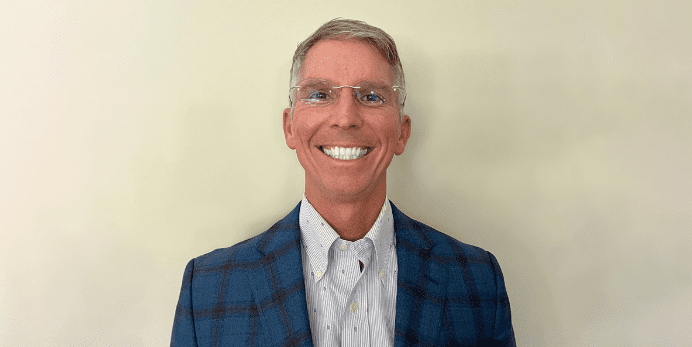
Kenn Crabb is the creator of the Restricted Property Trust, a structure designed to help business owners manage taxes, protect assets, and plan for long-term stability. For several years, he was under an IRS investigation, from which he emerged victorious. His strategy stood on solid legal ground and held up under real examination. In this exclusive interview, he reflects on that journey and the lessons it shaped along the way. He shares how he stayed steady during that time and why trust and consistency matter more than quick success. His insights offer a practical view of building strategies that last. This conversation gives readers a closer look at the strategy and the principles behind his work.
Ken, it’s a pleasure to connect. Can you introduce yourself and share the journey that led you to create Restricted Property Trust and become a thought leader in financial services?
Ken Crabb: My work has always focused on helping business owners navigate complex planning decisions, especially around tax efficiency, asset protection, and long-term stability.
Roughly 26 years ago, I created what is now known as the Restricted Property Trust. At the time, there were several welfare benefit arrangements being used in ways that pushed well beyond the intent of the tax code. Many of them were taking aggressive positions and claiming deductions that simply wouldn’t hold up under real scrutiny.
That environment made it clear there was a need for a different approach. The objective was never to build something flashy or over-promotable. It was to build something that could stand on its own, grounded in established legal principles and aligned with the intent of the code. From day one, it was designed to be defended, not marketed.
As the strategy gained adoption, it became clear that education was just as important as the structure itself. Advisors and clients needed to understand not just how it worked, but why it worked. That responsibility naturally shifted my focus toward guiding those conversations, helping professionals implement it correctly, and making sure the strategy was positioned with the level of clarity and discipline it requires. It wasn’t something I initially set out to do, but when you introduce a concept like this, you take on the obligation to stand behind it and help others approach it with confidence and a full understanding of its foundation.
Over the past several years, you faced intense public scrutiny surrounding the Restricted Property Trust. What was that experience like on a personal and professional level?
Ken Crabb: It was a tough period, no question. When something you’ve spent decades building is under scrutiny, it hits both personally and professionally. On the professional side, there’s pressure from every direction: media stories, industry skepticism, and making sure clients and advisors have confidence in you. On a personal level, it forces you to develop a thicker skin and stay disciplined in how you respond.
I never saw scrutiny as something to run from. It comes with the territory when you’re working in a complex and high-profile space. If anything, it reinforced the need to stay focused on the facts and avoid reacting to noise.
Looking back, it was a period that tested me, but it also made me stronger. It required sharper focus, clearer communication, and a deeper commitment to doing things the right way, no matter the outside pressure.
During the IRS investigation that lasted nearly six years, what were the biggest challenges you encountered, and how did you stay grounded in your conviction?
Ken Crabb: The biggest challenge was the sheer length and intensity of the process. Operating under scrutiny for nearly six years is mentally and professionally exhausting. Every decision, every email, and every strategy could be questioned. Balancing the day-to-day demands of running a business while ensuring clients and advisors remained confident added constant pressure.
Another challenge was navigating the complexity of the investigation itself. I spoke with three IRS National Office of Chief Counsel attorneys who had collectively handled over a thousand promoter penalty cases. Their depth of experience meant the review was thorough and exacting. On top of that, my emails were subpoenaed, I was deposed by the DOJ, and I took the stand in tax court. After six years, the investigation concluded in February of 2024 with no ramifications, which they themselves said was virtually unprecedented. The process tested every aspect of my work and my commitment to doing things correctly.
What kept me grounded was a strong conviction in the integrity of the Restricted Property Trust. The structure was designed to comply with the law, and every decision I made was anchored in established legal principles. I relied heavily on a disciplined approach, careful documentation, and a team of trusted advisors. Knowing that the work itself was sound allowed me to navigate uncertainty without losing focus. It was a long process, but staying rooted in facts, principles, and preparation made all the difference.
Public perception can shift quickly in financial services. How did you navigate media narratives and maintain trust with clients and partners during that period?
Ken Crabb: In financial services, perceptions can change overnight, and it became clear early on that consistency and transparency were key. I focused on communicating openly with clients and advisors, sharing what we knew, what we were addressing, and how we were approaching challenges. It was not about responding to every story or reacting emotionally to criticism. It was about sticking to the facts and keeping the lines of communication clear.
At the same time, I made sure to reinforce relationships through action, not just words. Trust is not built when things are easy. It is built when people see you handle uncertainty with clarity and integrity. By staying consistent and focused, we were able to maintain confidence with clients and partners and, in many cases, strengthen those relationships even under difficult circumstances.
Emerging from that scrutiny, what key lessons have shaped your leadership style and strengthened your position as a trusted voice in the industry?
Ken Crabb: The biggest lesson is that credibility and consistency matter more than popularity. It is easy to gain attention in this industry, but it takes much more to earn and sustain trust over time.
I have also learned the importance of education. When you are dealing with complex strategies, you cannot assume people will understand them. You must take the time to explain how and why something works. That approach has become central to how I lead and communicate with both clients and advisors.
Finally, humility and discipline play a bigger role than most people realize. No strategy is above scrutiny, and no leader has all the answers. Being open to feedback, continually refining your approach, and staying anchored in compliance and integrity are what build lasting trust and strengthen your role as a reliable voice in the industry.
Looking ahead, how do you plan to leverage your experience to influence the future of tax-efficient strategies and guide both clients and financial professionals with greater transparency and confidence?
Ken Crabb: Going forward, I want to use what I’ve learned to help set a higher standard in the industry. That means focusing on transparency, clear communication, and making sure both clients and advisors truly understand the strategies they are using. It is not enough to know that something works; you need to understand why it works and how it fits into the bigger picture.
I also see an opportunity to show that innovation and compliance can go hand in hand. Too often, people think they are at odds, but they do not have to be. My goal is to help advisors and clients navigate complex strategies with confidence and clarity, so decisions are informed and outcomes are stronger.
Ultimately, it is about creating solutions that are durable, defensible, and reliable over the long term. Everything I do moving forward is centered on helping people make smart, disciplined decisions while maintaining integrity and trust.
Conclusion
Ken Crabb places a strong focus on transparency and education. He believes people should understand the reasoning behind any financial strategy they use. The years of scrutiny became a turning point that refined both his leadership and his message. The interview highlights how trust is built when challenges appear, and decisions still reflect integrity. Crabb’s experience shows how staying grounded in facts and principles can carry a person through long periods of uncertainty.
